


DESIGN STORIES
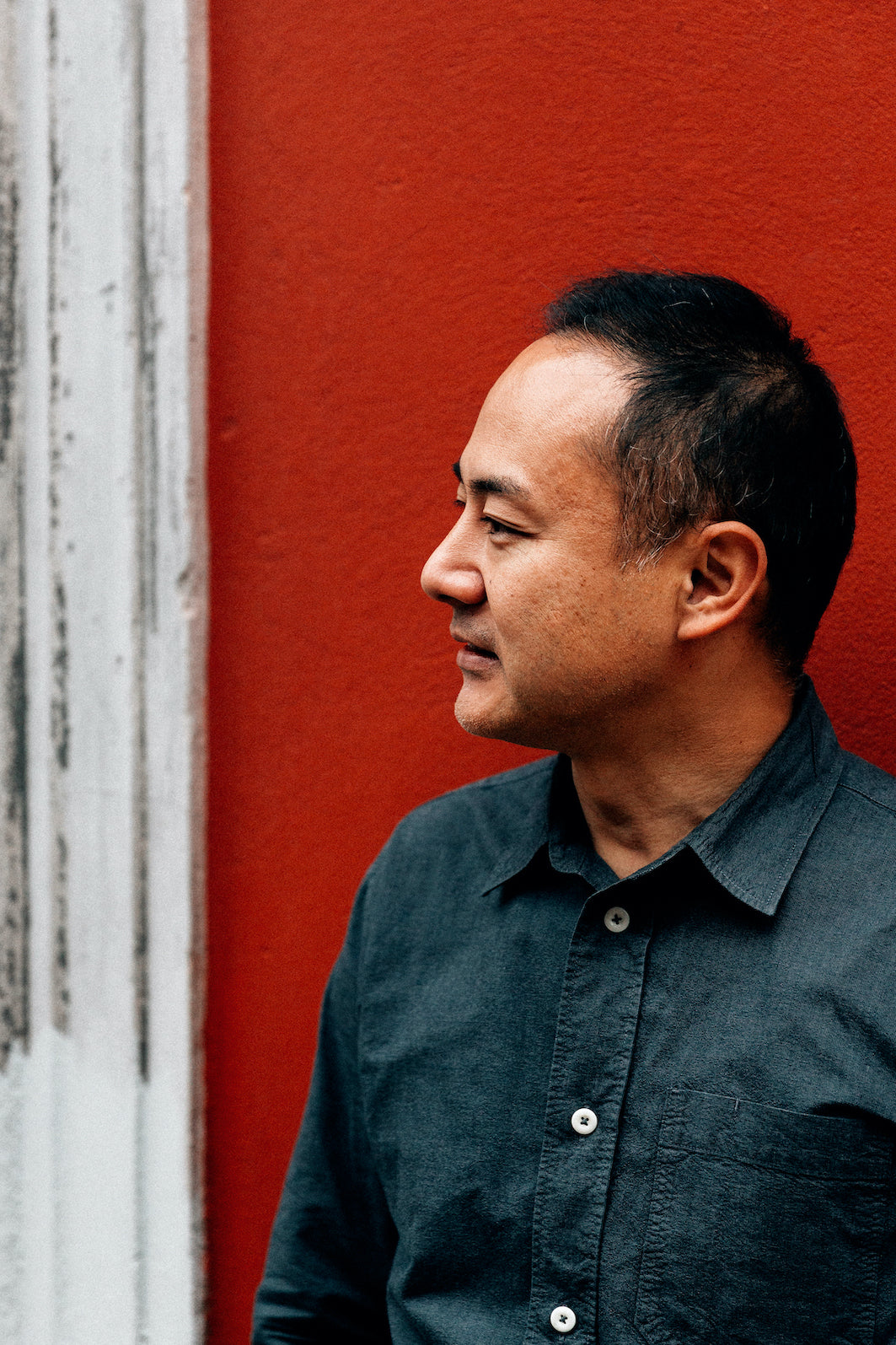
Keiji Ashizawa
“Honest Design” is consistent in every project expanding from designs for small products to architectural projects.
design stories
Keiji Ashizawa
Keiji Ashizawa Design, founded in 2005 in Tokyo, is a multidisciplinary studio of architects, interior, and product designers. Guided by the motto “Honest Design,” the studio emphasizes craftsmanship, materials, and a holistic approach — designing everything from architecture and interiors to furniture and branding.
Known for highly detailed and unified spaces, the studio has completed projects in Japan and internationally, including in China, Vietnam, the US, and the Philippines. Notable recent works include TRUNK(HOTEL) YOYOGI PARK and a high-rise hospitality complex in Shinjuku, Tokyo.
Keiji Ashizawa Design is also behind Ishinomaki Laboratory, a global furniture initiative born from post-disaster recovery efforts, now symbolizing sustainable local design worldwide.
Collaborations with international designers and studios — such as Norm Architects, Peter Stutchbury, and atelier oï — are a core part of their philosophy and design practice.


INTERVIEW
Keiji Ashizawa & TAMO
Could you tell us a few words about your design background?
I, Keiji Ashizawa, have a background in both craft and architecture. I spent the first 10 years of my career working as both an architect and steel fabricator. We present works of "honest design" – simple yet refined, thoughtful and of a light kind – derived naturally through the process of attempting to maximize the potential of each material and its function.
Could you tell us about the biggest influence on your creativity?
The biggest influence on my creativity is the experience I had in both the architectural and crafting industry. I always think about structural aesthetics and how the selected materials are working together to create the whole.
Which part of your design process is the most important for you and has the biggest influence on the final results?
We regard "perfection" as the essential design thinking, and try a variety of ideas until we get a satisfactory result. For products, we start the design process by sketching details and constructions to establish the characteristics of the project, and test them by making 3D CGI and physical mock ups with 3D printers and traditional paper crafting.
What is the main shared value with Tamo, the bridge in between brands?
Tamo and we share the same view on the beauty of natural solid material and craftsmanship. It was very smooth for us to start working together since we both knew what is rational yet beautiful in the form of products.
Could you give us some insights into the NOKI design process? Could you describe the main assumption of your project, the main focus? The creative process and the selection of the material?
When we started working together, the goal was already defined. We brainstormed to find out the best solution for a small shelving unit that is flat-pack and yet with a sense of luxury. Our material selecting process was really quick because Tamo's commonly used materials are the finest which are already desired.
Could you tell us more about the construction of NOKI in reference to Japanese tradition?
Noki is a Japanese term for the construction of eaves and rafters to hold an overhanging roof of a traditional Japanese building. This NOKI shelving unit is inspired by noki's structure to provide a functional display and storage space in a small room.
Could you point out the most important value of the project which makes the product unique?
This shelf is aimed to be shaved off any unnecessary element for its functionality. The fine material and the experienced craftsmanship of Tamo's team could bring this product to life.


